Top Stories
-
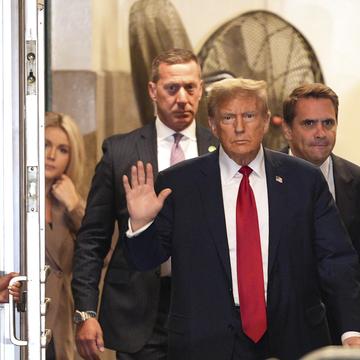
The Trump 'Hush Money' Trial, So Far
The Brian Lehrer Show
A look at what has happened so far at former President Trump's "hush money" trial.
-
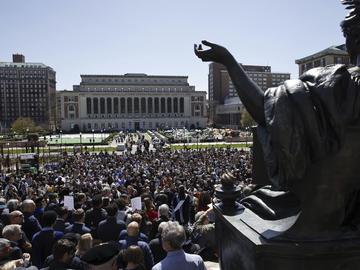
Protests Swell on College Campuses
The Brian Lehrer Show
How administrations at colleges here in New York and across the country are struggling to respond to ongoing, and growing protests over the Israel-Hamas War -
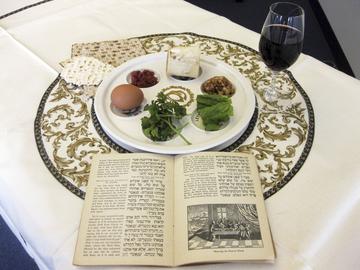
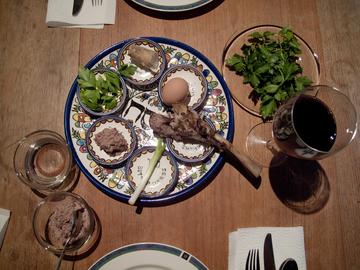
How This Passover Feels Different For Many Jewish Americans
Notes from America with Kai Wright
Nearly seven months into the war in the Middle East, many Jewish Americans will celebrate Passover in ways that address the trauma and divisions felt within that community.
Latest from WNYC
Edit Bucket-
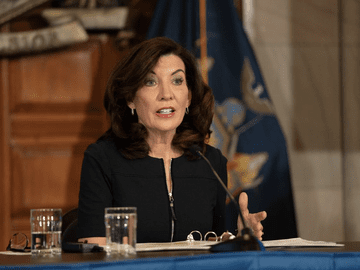
This Week in Politics: New York finally, really has a state budget
New York appears to have a final budget. WNYC's Jon Campbell has the latest. -
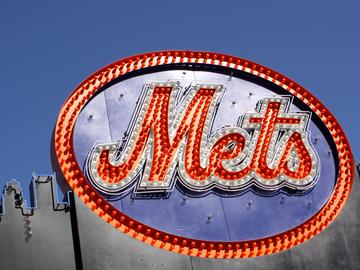
The Mets retire Dwight Gooden's number
Dwight 'Doc' Gooden's number 16 will retired in a special pre-game event scheduled for this Sunday afternoon. -
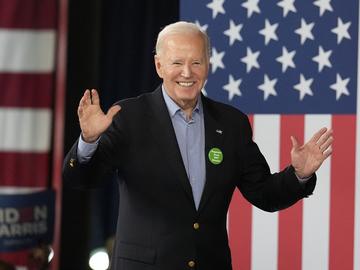
What’s in Biden’s New Student Loan Forgiveness Plan?
The Brian Lehrer Show
Unpacking the details of the White House's new plan on student loan relief. -
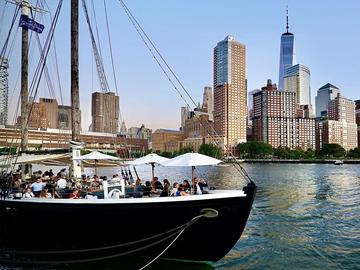
Seafood with a side of sea spray: New York City's floating restaurants
As the weather warms up, Eater NY looks at New York City's floating restaurants.
Go Deeper with WNYC
-
Edit Bucket
-

NYC NOW
NYC NOW delivers local news from WNYC and Gothamist every morning, midday and evening. From breaking news to deep investigations, we cover New York for all New Yorkers.
Transcripts are posted to individual episode pages as they become available.
-
Sign up for WNYC's Weekly newsletter
A weekly, behind-the-scenes update from the people behind your favorite shows.
-
Let’s talk democracy at the laundromat!
Soap gets laundry done. Conversation gets democracy going. This election year, WNYC is turning some laundromats in the New York metro area into hubs of civic dialogue. - Edit Bucket
-
Ask Governor Murphy
New Jersey Governor Phil Murphy takes questions from WNYC’s Nancy Solomon, other guest journalists and listeners for an hour every month during this live show, a co-production with WBGO and WHYY. Ask Governor Murphy airs the second Wednesday of most months at 7 p.m., dependent on schedule availability.
Upcoming episodes are scheduled for Wednesday, May 8 and Wednesday, June 12.
From the WNYC Archives
Edit Bucket-

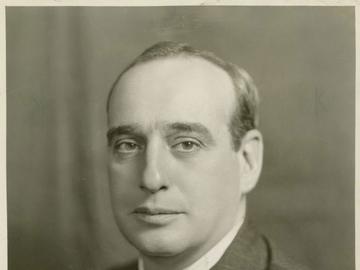
The NYPR Archives Celebrates National Poetry Month
The New York Public Radio Archives celebrates National Poetry Month We've pulled together some of the department's leading preservation work, series and sonic artifacts concerning poetry.

Tech and Media
Edit Bucket-
'The Girls on the Bus' Follows Female Campaign Reporters
All Of It
The new Max series "The Girls on the Bus" follows a group of female political reporters as they cover a presidential campaign. -
What Does “Decolonization” Mean in the Context of Gaza?
On the Media
And the value of looking backwards to understand the present. -
The Future of Music and Music Journalism in 2024
All Of It
Atlantic staff writer Spencer Kornhaber discusses the folding of Pitchfork into GQ. Then, Switched on Pop producer Reanna Cruz joins us to talk about upcoming music releases. -
How (Not) to Cover Trump's Trials
On the Media
How Trump is using the courtroom as a campaign platform.
Popular Stories


EVENTS AND INFORMATION
-
Edit Bucket
-
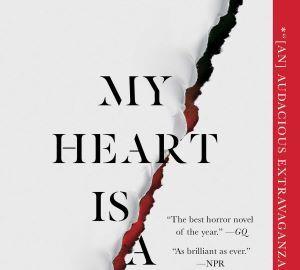
Apr 29 | Get Lit with All Of It: 'My Heart Is a Chainsaw' by Stephen Graham Jones
The novel tells the story of a half-Indigenous woman named Jade who feels alienated from the other people in her small town.
-
Apr 30 | WQXR Celebrates Earth Day with Juilliard
Juilliard students across disciplines – music, dance, and drama – join forces to create a unique and unforgettable artistic “open house.” For this special performance these young artists explore themes of nature and the environment in celebration of Earth Day.
-

May 1 | Global Movements, Local Impacts: An Evening with WNYC + BBC Newshour
Join WNYC reporter Arun Venugopal, BBC Newshour host Nuala McGovern, BBC Assistant Editor Heba Ayoub, and Director of the MPI office at New York University School of Law Muzaffar Chishti for a conversation that takes you beyond the headlines on immigration and migrants and into a deeper understanding of what’s happening in our community and around the world, and how governments might best address the challenges. We’ll also get behind the scenes of the BBC Newshour’s coverage internationally and WNYC’s locally, and take your questions as well.
-
May 6 | WQXR Celebrates AAPI Heritage with the Metropolitan Opera
WQXR celebrates Asian American Pacific Islander Heritage Month with a concert in The Greene Space! The evening will include AAPI artists from the Metropolitan Opera singing familiar repertoire and musical selections that reflect their own heritage. We’ll also hear a tribute to Hei-Kyung Hong and discuss portrayals of Asian characters in classic operas such as Madama Butterfly and Turandot, as well as in more contemporary works.
